I'm going to post this last thing here before the weekend, (for those of you that don't know I do not have internet access at my home) and I hope you all enjoy it. Please let me know in the comments if you found anything useful or have any tips to share!! Reminder again that improperly identifying certain plants can be toxic, and to please be careful and use at your own risk. Have a safe weekend and lets all make the day count! Thanks!
PS. Really quick update on my house construction, we have started doing the brick work for the hearth for our woodstove so we can used alternative heating methods and reduce our carbon footprint and get off the grid. I will post something next week along the lines of DIY mortar work (that is defiantly an adventure!!!!) and some photos with it. Please do not forget to share and comment on my blog!!! Thanks so much guys it really means a lot to me!!!!
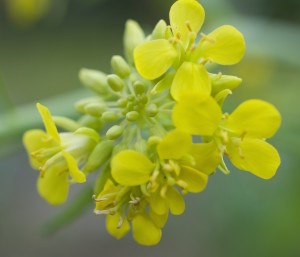
Dame’s Rocket
 Dame’s
Rocket is a declared invasive species in several
places. It’s your civic duty eat the weed. Originally from Eurasia some 400
years ago it’s a mustard that at first glance looks like Phlox. Dame’s Rocket
has the typical mustard family four petals, Phlox, five. It’s found essentially
everywhere in North America except the Old South. It is cultivated, escaped and
is included in wild bird seed mix. Young leave collected before flowering are
eaten like cress. Seed pods can be added stews and soups. Seeds are a source of
oil and can be sprouted and eaten. The flowers are used to add spicy flavors to
fruit dishes and salads.
Dame’s
Rocket is a declared invasive species in several
places. It’s your civic duty eat the weed. Originally from Eurasia some 400
years ago it’s a mustard that at first glance looks like Phlox. Dame’s Rocket
has the typical mustard family four petals, Phlox, five. It’s found essentially
everywhere in North America except the Old South. It is cultivated, escaped and
is included in wild bird seed mix. Young leave collected before flowering are
eaten like cress. Seed pods can be added stews and soups. Seeds are a source of
oil and can be sprouted and eaten. The flowers are used to add spicy flavors to
fruit dishes and salads.
Dandelion
Roots are bitter and
make a good substitute for coffee.
Best harvested from late fall through early spring, when the plant is
dormant and has stored energy in
the root. For medicinal use, fall is best,
because inulin (insoluble fiber) levels are higher and fructose levels are
lower. Freezing of winter coverts inulin to fructose. Spring roots are less
bitter and chewy, higher in taraxacin, which stimulated bile production Dig roots using sturdy fork. Break/damage
the root as little as possible so you don’t lose sap, which is where the
medicinal properties lie. Select large, vigorous plants – small, spindly plants
will have small roots and are not worth harvesting. Can be used fresh for
cooking and medicine. For long term storage, drying works best. Roots should be
well scrubbed before cutting. Spread on a screen and place in a cool, dry
location with good air flow and dry for 3 to 14 days (until brittle). Will last
about a year. To make a tincture, place dandelion root in a jar and cover
with 80 proof (40%) vodka. Cover tightly and allow to steep 4-6 weeks,
shaking daily. Strain out plant material and store in a dark glass
bottle.

Label and date. To make a decoction, place one ounce of
dried roots or two ounces fresh roots (by weight) in a pan with one pint of
water. Bring to a boil, cover, and simmer for 20 minutes. Strain
and compost the spent roots.
To make a strong herbal infusion tea, use 1/2 ounce by weight of dried
leaves or one ounce by weight of fresh leaves per cup of water. Place the
ingredients in a glass canning jar. Cover with freshly boiled
water. Put the lid on and steep overnight. Strain and compost
solids. For medicinal purposes, drink 3-4 cups per day.
Alternatively, use a French press, or steep (covered) for at least 20 minutes
before straining. I’m-Sick-of-Cellulite Tea: Help bodies metabolize fats and
improve elimination of wastes with these cleansing herbs. Infuse: 1-part
dandelion leaf and 1-part nettle leaf. Decoct:1-part dandelion root and 1-part
burdock root. Decongestant Tea: This tea helps the body to clear phlegm and
open the lungs and sinuses. Infuse: 1-part dandelion leaf, 1-part nettle leaf,
and 1-part thyme herb. Decoct: 1-part dandelion root
Do not use if use have irritable stomach or bowel or if you have an acute
inflammation
Daylily
You can find this plant in many parts of the country, these are not tiger
lilies or Easter lilies (which
are toxic), and a daylily is completely safe to
eat. Daylilies have bright orange flowers that come straight out of the ground,
their main stock/stem has no leaves so that’s your confirmation that it’s a day
lily, if you see an orange six-petal flower like this one that has a bear stem
(no leaves) it’s a daylily. You can eat them whole or cook them or put them in
salads.
A foraging standby in all but the
southwest desert and northwest Canada is the Daylily. Also go
sparingly, they can be diuretic or laxative. That said day lilies are on the
sweet side, vegetable-ish. Like squash and glad blossom, they’re used to hold
tasty finger food but like other blossoms cut them away from the white bitter
base.
Edible
Nettles
Stinging
Nettle
Boil or steam the younger plants like any fresh
vegetable. Boiling/Steaming gets rid of the “sting”.
Note the fine hairs along
the steam; these are what sting when you touch them.
Also known as: Devil’s Leaf, Devil’s Plaything, European Nettle,
Slender Nettle, Stinging Nettle, Tall Nettle
A well-known herbaceous
perennial, 1.2 m (4 ft.) or higher, with tough yellow branching and spreading
roots, it develops green flowers with yellow stamens in catkin-like
arrangements from early to late summer. It appears throughout temperate regions
of the world.
You’ll find it: in hedgerows, on grassy banks and wasteland, in
woods and especially close to rubbish heaps and old abandoned buildings, where
it forms near-impenetrable colonies. Leaves: upright stems, seldom
branching, are covered with stinging hairs and bear green, somewhat
heart-shaped, tooth-edged leaves that also impart a sting when touched
(see an image of perennial stinging nettle).
Harvesting the
leaves: wear gloves and cut off the top 15 cm (6 in) of young stems only
to the end of early summer; after that the leaves become tough, have a bitter
taste and laxative properties. Using the leaves: always wash the leaves
under running water before preparing them for boiling or, preferably, steaming
for about four minutes. These leaves, which are high in vitamins A and C, iron
and protein, can be used as a green vegetable as well as made into a
purée — this is particularly good served on toast with the addition of a
poached egg. Nettle soup is a delicious summertime forager’s treat and nettles
can be included in any recipe for which you would use spinach.
Nettle Soup
Collect enough nettle tops and leaves to half-fill a carrier bag, then
wash carefully. Soften 2 chopped onions, 2 chopped celery sticks and a crushed
garlic clove in a small knob of butter in a large saucepan. Then add 1-liter
(34 fl. oz.) vegetable or chicken stock and all the nettles you can cram into
your pan. Bring to the boil and simmer for ten minutes or so until the nettles
are tender. Purée the soup in a blender or food processor, return to the pan
briefly and add 3-4 tablespoons crème fraiche or cream. Heat through, correct
the seasonings and serve.
Young leaves are edible raw, though
they will sting in the mouth for a short time. Young shoots and young plants
are edible when steamed/cooked. Roots are edible when cooked. Roots are best
when collected in spring/autumn. Grows in moist soil and disturbed areas in
plains, foothills, and montane regions. Warning: wear gloves when collecting to
avoid stings.
Wood Nettle
Also has stinging hairs along its stem, but they don’t
seem to be as virulent as those of Stinging Nettles. Note that some flowers are
above the top leaves and others are below.
False Nettle
This plant is easily confused with Stinging Nettle.
However, it doesn’t have any stinging hairs along its stem. The flowers are
different; they are in tight clumps instead of loosely spread out along arching
thin steams like Stinging Nettle. Note the very long leaf stems.
Horse Balm
This plant is most often misidentified as Wood Nettle.
The main difference is that it has no stinging hairs, and the flowers are all
above the top leaves, and a very different from those of Wood Nettle. Note the
long leaf stalk
Elderberries
An elderberry shrub can grow easily grow about 10 feet and yield tons of
food, their leaf structure is
usually 7 main leaves on a long stretched out
stem, the leaves are long and round and the leaves themselves have jagged
edges. These are easiest to identify in the spring as they blossom white
clustered flowers that resembles an umbrella. Mark the spot and harvest the
berries when they’re ripe around September.
Elderberries are known for their flu
and cold healing properties; you can make jelly from them and are very sweet
and delicious.
Berries are tiny and powder-blue,
growing in clusters.
Berries are edible if cooked or dried.
Plant is a large, tree-like shrub.
The variety in Manitoba is Common
elderberry
Warning: berries may cause nausea if
eaten in quantity. Red varieties of the berry are poisonous.
Elephant head Lousewort
Leaves were traditionally cooked. Leaves in moderate amounts are suitable as a potherb. Grows in low wet areas, meadows, and fields. Warning: plants are poisonous if eaten in large quantity.
False Roselle
Many a hibiscus flower can go into salads and the like, but the False
Roselle has edible pink flowers and the leaves are edible as well, raw or
cooked. Use the young leaves for salads and stir fry. They keep their color.
Also known as the “Florida Cranberry” or the “Cranberry Hibiscus.” A tart juice
can be made from its fat calyxes. Its blossoms are edible as well.
False Solomon’s-seal
Berry is edible.
Berry transitions from
green to mottled/dark red.
Berry was traditionally
stored in cooled grease.
Berry is high in vitamin C.
Young shoots and green
parts of young plants are edible, and best when cooked.
Rhizome is edible when
cooked.
Varieties in Manitoba
are False Solomon’s-seal and Star-flowered false Solomon’s-seal
Grows in thickets, forests,
and moist open areas.
Fairy Bell
Berries are bright red and large (~0.5 inches in diameter).
Berries occur at tips of branches in clusters.
Taste is blandish/sweet.
The variety in Manitoba is Rough-fruited fairy bell
Plant grows in moist forested areas.
Fennel
Fennel’s blossom is an explosion of yellow and the flavor is of mild
Fennel. It’s the hint of anise appreciated in cold soups and many desserts.
Fiddlehead Ferns
Fiddleheads are a high source of antioxidants,
source of omega-3, omega06, iron and fiber. Tastes like a cross
between
artichokes and asparagus with the texture of string beans. After removing
leaves from the stalks, both fiddleheads and their stalks can be prepared as
asparagus can. Boiling, steaming, sautéing, and pickling are the most popular
way to treat them. Can also be pureed. The stalk is good eaten fresh, but even
better cooked. Eating too many raw fiddleheads can cause an upset stomach.
The
term “fiddleheads” refers to the unfurling young sprouts of ferns. Although
many species of ferns are edible as fiddleheads, Ostrich Ferns are the best. They are edible only in their early growth phase
first thing in the spring
The
young, tightly coiled tender tips of plant are called 'fiddleheads'.
The
spring fiddleheads of all varieties of north temperate ferns are edible. Remove
hair/wool from fiddleheads; soak in salt water to remove bitterness. Fiddleheads
are best when boiled for half an hour in two changes of water. Fiddleheads
can be dried for storage.
Rhizomes can be roasted/pit-steamed, peeled, and pounded to
remove whitish edible part from fibers, or chewed to suck out starch. Dried
rhizomes can be ground into flour.
Grows
in wide range of areas, including foothills and montane region. Warning:
avoid long term use, has carcinogenic properties.
Warning:
avoid mature bracken, which destroys vitamin B and can cause a deadly blood
condition.
Field Pennycress
Growing season is early spring to late winter. You can
eat the seeds and leaves of field pennycress raw or boiled. The only warning
with the field pennycress is not to eat it if it’s growing in contaminated
soil. Pennycress will suck up all minerals around it. General rule is do not
eat pennycress if it’s growing by the side of the road.
 Fireweed
You can identify by its
purple flower and unique structure of the leaves’ veins; the veins are circular
rather than terminating on the edges of the leaves. Best eaten young when the
leaves are tender. Mature plants have a tough and bitter tasting leaves. You
can eat the stalk of the plants as well. The flowers and seeds have a peppery
taste. Great source of vitamins A and C
Shoots are edible raw. Young leaves are edible raw. Flowers are edible raw.
Flower bud clusters can be cooked as vegetable. Stem pith can be added to
soups as thickener. Varieties in Manitoba are Common fireweed and
Dwarf fireweed. Grows in open, disturbed areas in foothill, montane,
alpine and subalpine regions. Warning: may act as a laxative if eaten in
quantity.
Fleabane
Young plants are edible when boiled. Young plants are suitable as a
potherb. Varieties in Manitoba are Eastern daisy fleabane and Philadelphia
fleabane. Grows in fields, disturbed areas, open woods, thickets and roadsides.
Warning: may cause miscarriages and should not be consumed by pregnant women. Warning:
may cause dermatitis.
 Forget-Me-Nots
Five petals, flat face, a yellow eye, usually blue but can be pink to
white. The blossoms are added to salads as a garnish and make excellent
candied blossoms.
Forsythia
It’s easy to spot the Forsythia in the spring
time. Just look for a naked shrub covered with yellow blossoms. You can find
them in most urban areas and they escaped cultivation is several locations. The
blossoms are spicy, minty, and slightly bitter. They add a cherry garnish to
salads, particularly after a long winter. Very young leaves are edible raw.
Better boiled.
The brilliant yellow forsythia bush can grow to 3 metres (10’)
tall and can get as wide as 3.5 metres (12’). The flowers have four lobes and
appear mostly in clusters of two to six. Forsythia bark is yellowish brown in
colour and has raised lenticels (bumps).
Forsythia Properties
 Forsythia
fruit is used in Chinese medications as it contains several properties. It is a
proven diuretic; skin tonic; emmenagogue (herbs which stimulate blood flow in
the pelvic area and uterus); anti scrofulous (Scrofula is a tuberculosis
infection of the skin on the neck); febrifuge (reduces fever); and it is a
vermifuge (expels intestinal worms). It is most commonly used in Chinese
medicine for colds, bronchitis, strep throat and it clears the body of toxic
heat (sore throats, fever, chills, chronic skin eruptions, acne or dermatitis.
Forsythia
fruit is used in Chinese medications as it contains several properties. It is a
proven diuretic; skin tonic; emmenagogue (herbs which stimulate blood flow in
the pelvic area and uterus); anti scrofulous (Scrofula is a tuberculosis
infection of the skin on the neck); febrifuge (reduces fever); and it is a
vermifuge (expels intestinal worms). It is most commonly used in Chinese
medicine for colds, bronchitis, strep throat and it clears the body of toxic
heat (sore throats, fever, chills, chronic skin eruptions, acne or dermatitis.
How to Use Forsythia Flowers
These
beautiful flowers can be steamed and dried, used in decoctions and infusions,
and made as a tea. In addition, tossing a few of these springtime beauties on a
salad will impress any guest. If you collect 750 ml (three cups) of these
flowers, you can transform them into syrup! The forsythia, another reason for us all to
enjoy springtime foraging! So next time you’re out there pruning the forsythia
bush, save the flowers – you’ll be glad you did!
 Fragrant Water Lily
The unopened flower buds can be
collected and boiled as a vegetable. Once opened the raw blossom can be used as
a garnish or nibble. Whether the plant’s rhizome is useful is something of a
debate Flowers are edible raw. Flowerbeds can be cooked. Leaves are edible raw.
Ripe seeds are edible raw. Rhizome can be boiled or roasted. Grows in
lakes, ponds and slow-moving water in low and montane areas.